
waste paper to kraft paper machine, industrial waste paper recycling plant, recycled kraft paper making machine, OCC recycling paper machine, waste cardboard recycling machine, recycled packaging paper production line, waste paper recycling and kraft paper manufacturing, complete kraft paper production line
The typical process includes:
Waste Paper Feeding → Pulping → Coarse Screening → Fiber Cleaning → Fine Screening → Refining → Stock Preparation → Approach Flow → Paper Forming → Pressing → Drying → Calendering → Rewinding
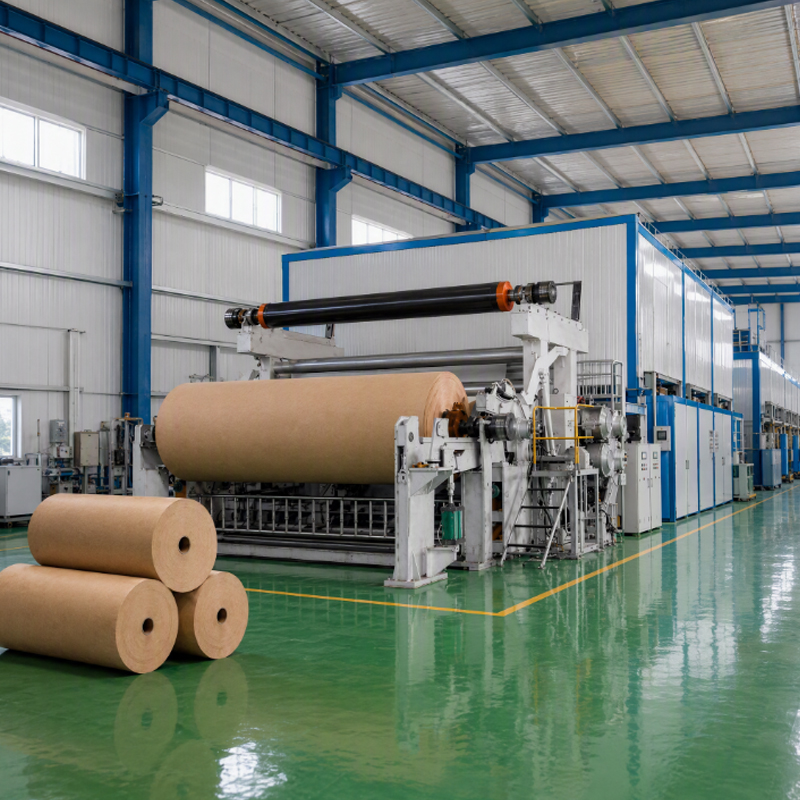
The Industrial Waste Paper Recycling & Kraft Paper Making Machine is an integrated solution designed to convert recovered paper, waste cardboard, OCC and other suitable secondary fiber materials into commercial-grade kraft paper. By combining advanced stock preparation with a continuous paper manufacturing system, the production line provides an efficient route from waste paper collection to finished kraft paper rolls.
As demand for recyclable and fiber-based packaging continues to develop, recycled kraft paper has become an important material for corrugated boxes, cartons, paper bags, wrapping products and industrial packaging. A properly engineered waste paper recycling system enables manufacturers to utilize recovered fiber as a valuable raw material while establishing a stable and scalable paper production process.
Unlike a standalone waste paper pulper, a complete kraft paper recycling production line connects fiber recovery with paper manufacturing. Each section is configured to prepare the stock for the next stage and maintain consistent operating conditions throughout production.
The typical process includes:
Waste Paper Feeding → Pulping → Coarse Screening → Fiber Cleaning → Fine Screening → Refining → Stock Preparation → Approach Flow → Paper Forming → Pressing → Drying → Calendering → Rewinding
This integrated configuration allows the manufacturer to manage both recycled fiber preparation and final paper production within one coordinated system.
The production process begins with suitable recovered paper materials. Depending on the project, the raw material can include OCC, waste kraft paper, cardboard and selected industrial paper waste.
A high-efficiency hydrapulper breaks down the paper structure in water and releases reusable fibers. The pulping stage is designed to achieve effective fiber disintegration while limiting unnecessary fiber damage.
The resulting pulp then enters the cleaning and screening sections for further treatment.
Recovered paper normally contains non-fibrous materials that must be removed before papermaking.
The recycling system can incorporate different screening and cleaning stages to separate contaminants such as:
Plastic pieces
Adhesive materials
Staples and metal particles
Heavy contaminants
Sand and other dense materials
Undispersed fiber bundles
Oversized impurities
Multi-stage stock cleaning helps improve pulp cleanliness and provides a more stable feedstock for the paper machine.
After contaminant removal, the recycled pulp is conditioned according to the required kraft paper specifications.
The refining section modifies fiber characteristics and helps improve inter-fiber bonding. The stock preparation system can also include mixing, dilution, consistency regulation and chemical dosing according to the selected paper grade.
This stage is particularly important for recycled fiber because the characteristics of recovered paper can vary according to its original source and previous processing history.
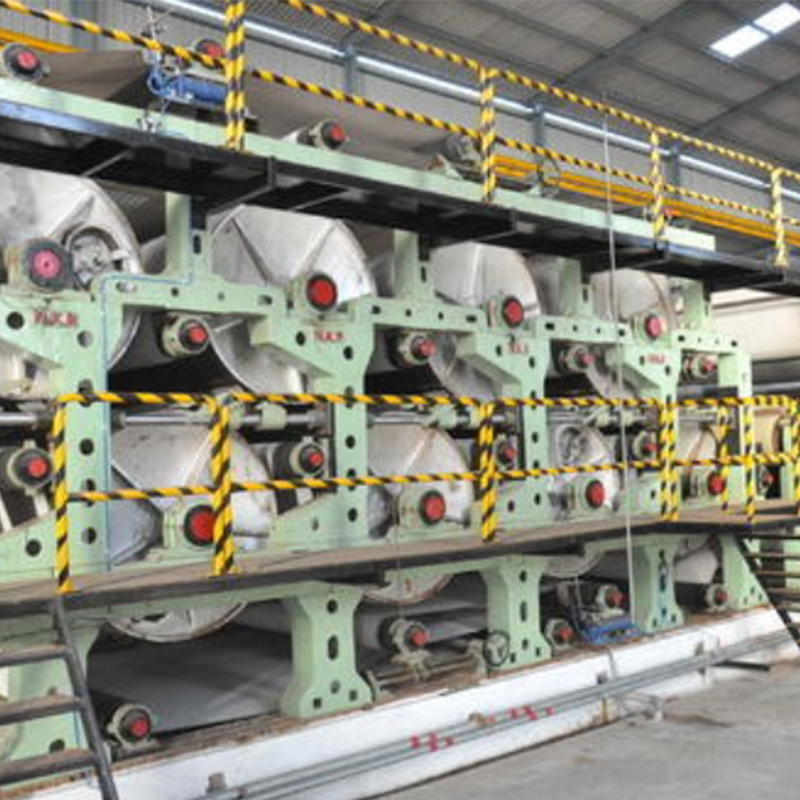
Prepared stock is delivered to the paper machine through the approach flow system.
At the forming section, the pulp suspension is evenly distributed to create a continuous paper web. Water is progressively removed through drainage and vacuum-assisted dewatering.
The paper web then passes through the press section, where additional water is removed and the sheet structure is consolidated before entering the drying section.
The final machine configuration can be selected according to required:
Paper width
Basis weight
Production capacity
Operating speed
Kraft paper grade
Finished roll specifications
Efficient drying is essential for achieving the required moisture level and finished paper properties.
After drying, the paper may pass through a calendering section to improve surface uniformity and thickness control. The finished paper is then wound into jumbo rolls or converted according to the customer's requirements.
The complete system provides a continuous manufacturing route from recycled pulp preparation to finished kraft paper.
The waste paper recycling kraft paper machine can be configured for different raw materials and end products.
Typical applications include:
Recycled kraft paper can be used as a raw material for corrugated board and shipping cartons.
Suitable kraft paper grades can be supplied to paper bag manufacturers for retail, food and industrial packaging applications.
Kraft-based packaging materials can be further converted into boxes and other paperboard products.
Recycled kraft paper can be used for protective wrapping and various industrial packaging requirements.
Depending on the paper grade and finished specifications, the production line can support additional downstream converting applications.
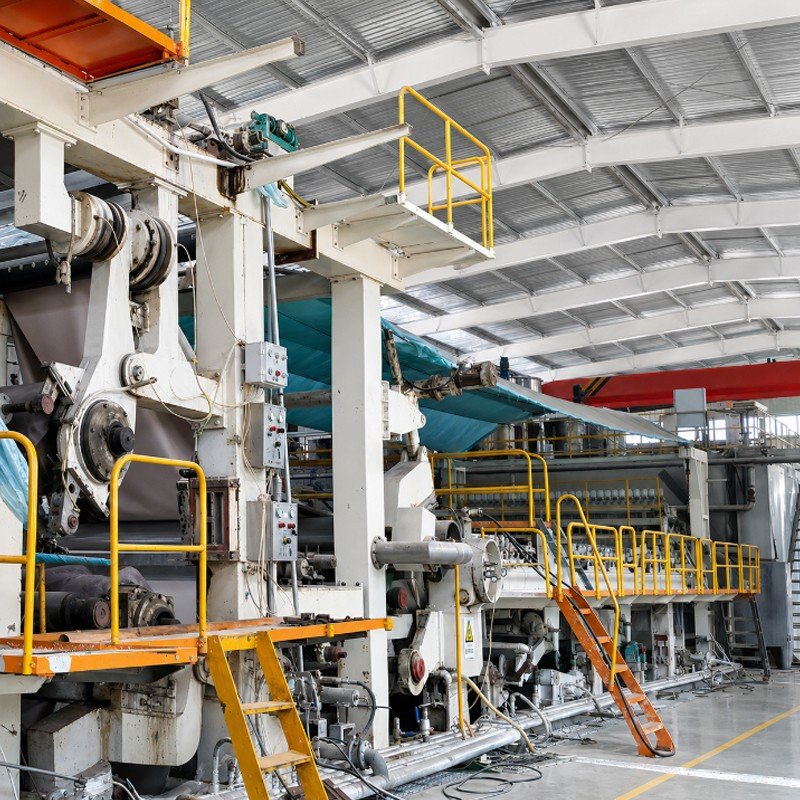
A successful waste paper recycling project should begin with the raw material rather than simply selecting a machine by nominal capacity.
Different recovered paper sources may contain different proportions of fiber, moisture, plastics, adhesives and other contaminants. These variations influence the required pulping, screening, cleaning and stock preparation configuration.
For this reason, the industrial waste paper recycling machine should be engineered according to the actual project conditions.
Key considerations include:
Raw Material:
OCC, cardboard, kraft waste, mixed recovered paper or other suitable secondary fiber.
Production Capacity:
The recycling system and paper machine need to be properly matched to the required daily or annual production.
Paper Specification:
Basis weight, paper width, moisture, strength and surface requirements influence the machine configuration.
Finished Product:
Corrugated medium, liner paper, kraft packaging paper or other recycled paper grades may require different process configurations.
Energy and Water Management:
The overall system can be designed with efficient pulp circulation, dewatering and process-water management to support stable operation.
An integrated production line provides manufacturers with more than individual pieces of equipment. It creates a coordinated production system in which every process section contributes to the final paper quality.
Suitable waste paper can be transformed into reusable papermaking stock rather than treated only as a disposal material.
The line can be engineered around specific raw materials, production targets and finished paper requirements.
Multi-stage screening, cleaning and refining help prepare recycled fiber for consistent papermaking.
The connection between stock preparation and paper formation creates a streamlined route from recovered fiber to finished paper rolls.
The resulting kraft paper can support a broad range of paper-based packaging and industrial applications.
For investors entering the recycled paper industry, the production line is only one part of a successful project. Raw material availability, product positioning, energy consumption, water management, equipment configuration and downstream market demand should all be considered during project planning.
A professionally engineered recycled kraft paper production line can provide the foundation for converting locally available recovered paper into marketable packaging materials.
The right combination of pulping equipment, screening technology, stock preparation and paper machine design can help manufacturers build a production system that is aligned with their raw materials and target products.
Every paper mill has different production objectives. For this reason, the Industrial Waste Paper Recycling & Kraft Paper Making Machine can be configured according to the customer's raw material, desired capacity, paper grade, finished width and operating requirements.
From individual recycling equipment to a complete waste paper recycling plant and kraft paper production line, a customized engineering approach allows each section of the system to work together efficiently.
Whether the objective is to establish a new recycled paper mill, expand existing capacity or upgrade an older production system, selecting the correct process configuration is essential to long-term production performance.
Waste paper is not simply an industrial by-product. With appropriate processing technology, it can become a valuable source of secondary fiber for packaging paper production.
The Industrial Waste Paper Recycling & Kraft Paper Making Machine provides a complete technological pathway—from recovered paper preparation and fiber separation to paper forming, drying and finished roll production.
For paper manufacturers seeking a reliable solution for recycled kraft paper manufacturing, the key is not only the individual machine, but the engineering of the entire production system around raw materials, product specifications and market requirements.
From Waste Paper to Recycled Kraft Paper — Build a Smarter and More Valuable Fiber Recycling Process.
If you have any needs , please fill out the form below and we will contact you as soon as possible.


